Click on the Edit Content button to edit/add the content.
What Are Real Estate Basics? An Introduction to Real Estate and Property Basics
Introduction
Have you ever wondered how people buy land, sell houses, or earn income from rental properties? These activities are part of the real estate industry. Understanding real estate basics helps beginners learn how properties work, how transactions take place, and what to consider before making property-related decisions.
Real estate includes land, buildings, houses, apartments, commercial spaces, and other immovable properties.
This sector provides various possibilities for people looking to purchase homes, invest in properties, deal in real estate, work as brokers, or pursue a professional career. This article explains what real estate means, the different property categories, commonly used terminology, the steps involved in property transactions, and the knowledge required to understand India’s property sector.
What Are Real Estate Basics?
Real estate basics are the fundamental concepts that explain how land and properties are owned, purchased, sold, rented, managed, and valued. These concepts help people understand property transactions and make informed decisions.
For example, someone planning to purchase an apartment should know about the property’s price, ownership documents, location, legal approvals, and additional expenses.
Learning these fundamentals is useful for first-time buyers, property investors, aspiring real estate agents, and anyone interested in the property industry.
Real estate is generally divided into four major categories.
1. Residential Real Estate
Residential properties are designed mainly for people to live in. Common residential property options include standalone homes, flats, villas, and plots intended for housing.
2. Commercial Real Estate
Commercial properties are used for business activities. Offices, retail shops, shopping centres, and commercial complexes are common examples. Businesses may rent or purchase these spaces to operate their activities.
3. Industrial Real Estate
Industrial properties support manufacturing, storage, and distribution. Factories, warehouses, and industrial units fall into this category. Their suitability often depends on factors such as transportation access, available infrastructure, and permitted land use.
4. Land
Land includes undeveloped plots and other land parcels. Depending on the location and permitted usage, land may be intended for residential, commercial, agricultural, or industrial purposes.
Before purchasing land, buyers should verify ownership, land classification, access, and applicable development permissions.
How Does the Real Estate Industry Work?
The real estate industry connects property owners, buyers, sellers, tenants, landlords, agents, builders, and investors.
A property owner may want to sell a house, while a buyer searches for a suitable property within a particular budget.
A property agent supports buyers, sellers, landlords, and tenants by finding suitable properties, organising site visits, providing property details, and helping with negotiations.
Once both parties agree on the terms, they proceed with the necessary documentation and legal formalities.
The process can differ depending on whether the transaction involves a newly constructed property, a resale property, a vacant plot, or a rental agreement.
Which Basic Property Terms Should Every Beginner Understand?
Understanding common property terms makes conversations and transactions easier.
Property valuation: An assessment of a property’s estimated worth based on relevant factors.
Market value: The estimated amount a property may achieve in the market under appropriate conditions.
Carpet area: The net usable floor area within an apartment, subject to the applicable legal definition.
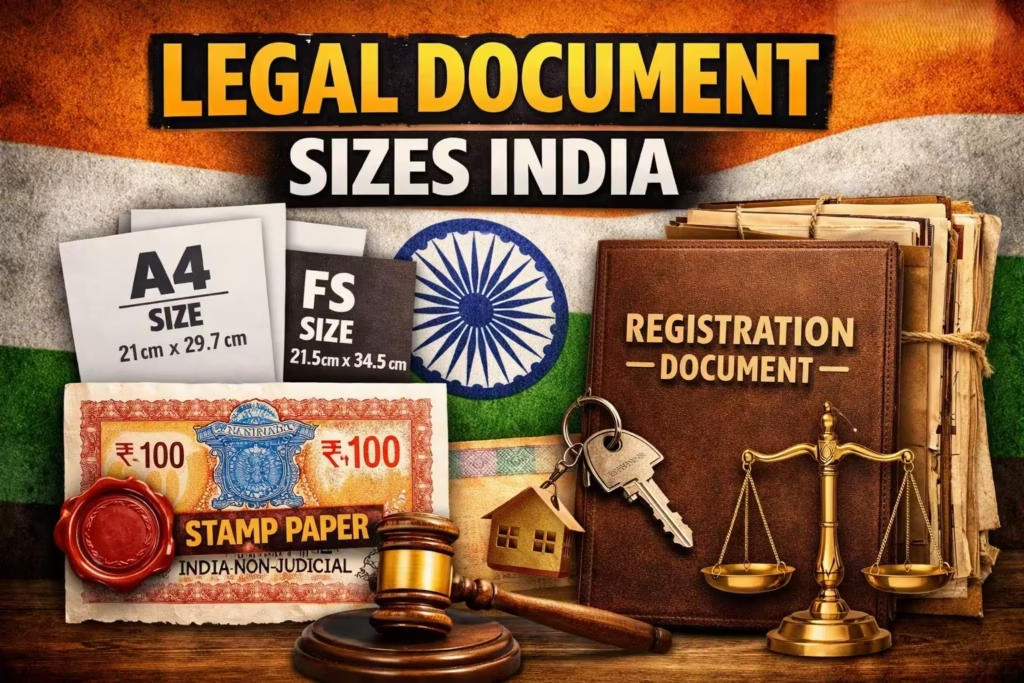
Agreement: A document that records the terms accepted by the parties.
Sale deed: A legal instrument used to transfer ownership of property, subject to applicable legal requirements.
Encumbrance Certificate (EC): A document that provides information about registered transactions affecting a property for a specified period.
Property registration: The formal registration of documents with the appropriate registration authority when required by law.
Real estate broker: A person who helps facilitate property transactions between buyers, sellers, landlords, or tenants.
Knowing these terms gives beginners a useful foundation for understanding property-related discussions.
What Details Should Buyers Verify Before Purchasing Property in India?
Purchasing property requires careful research. A property that looks attractive may still have issues that need investigation.
Before buying a property, review these important details:
Check legal ownership: Review the ownership documents and government records to confirm the seller’s rights over the property.
Review legal documents: Check applicable approvals, encumbrances, and other records with appropriate professional assistance.
Understand the location: Consider road access, transportation, nearby facilities, and future development plans.
Check the total cost: Include registration charges, applicable stamp duty, maintenance expenses, and other relevant costs.
Review approvals and land use: Make sure the property has the required building permits and that its intended use follows the applicable rules.
Check RERA records: If the project falls under RERA requirements, verify its registration status and available details on the relevant state RERA website.
Consulting a qualified property lawyer can help identify potential legal risks before completing a transaction.
How Does the Property Buying Process Work?
The buying process usually involves several stages.
Set a budget: Decide how much you can afford, including additional expenses.
Identify your requirements: Choose the preferred location, property type, size, and purpose.
Search for properties: Compare available options that match your needs.
Arrange site visits: Inspect the property’s condition, surroundings, and accessibility.
Review the paperwork: Examine the property’s title deeds, required permits, and relevant legal records before completing the purchase.
Discuss the price: Negotiate the purchase amount and other terms.
Complete the formalities: Arrange the required agreement, payment, stamp duty, registration, and ownership transfer procedures.
The exact steps depend on the property type and the circumstances of the transaction.
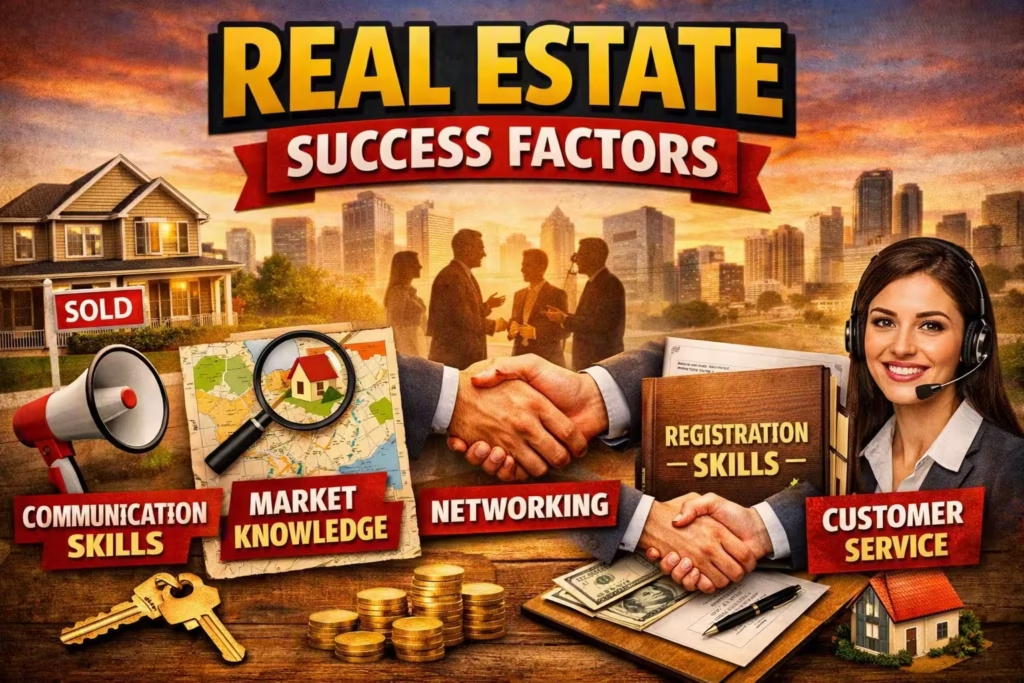
Which Abilities Are Needed to Build a Career in Real Estate?
People interested in working in real estate can benefit from developing practical skills.
Communication: Explain property details clearly to customers.
Lead generation: Identify potential buyers, sellers, and tenants.
Customer Engagement: Identify what clients are looking for and develop lasting business connections through regular communication.
Negotiation: Help parties discuss prices and mutually acceptable terms.
Follow-up: Respond to enquiries and maintain communication throughout the transaction.
Documentation knowledge: Understand the purpose of property records and know when professional verification is needed.
Market research: Study local property prices, demand, and development trends.
Digital marketing: Promote properties through websites, social media, and online advertising.
These skills can help beginners explore roles such as property consultant, real estate sales executive, leasing executive, and property management assistant.
Property prices can change according to several market conditions.
Location plays an important role because properties near transport facilities, schools, hospitals, and employment centres may attract different levels of demand.
Other factors include the property’s size, construction quality, age, available amenities, legal status, infrastructure, and local market activity.
Economic conditions and interest rates may also influence buyers’ purchasing decisions.
Comparing similar properties in the same area can provide a better understanding of local pricing, although an independent valuation may be appropriate for important financial decisions.
Frequently Asked Questions About Real Estate Basics
1. What is real estate in simple words?
Real estate refers to land and permanent structures attached to it, such as houses, apartments, offices, and commercial buildings.
2. Why should beginners learn real estate basics?
Learning the fundamentals helps beginners understand property types, common terminology, transaction procedures, and important checks before making decisions.
3. Is real estate a good career option?
Real estate may offer career opportunities in sales, brokerage, property management, leasing, marketing, and investment services. Success depends on relevant knowledge, communication, ethical practices, and market understanding.
4. What is the difference between a real estate agent and a property investor?
A real estate agent helps facilitate property transactions for clients, while a property investor purchases or holds property with the aim of achieving financial or other benefits.
5. What is the most important thing to check before buying property?
Verifying ownership and examining the applicable legal documents are essential steps. Buyers should also check approvals, property condition, total costs, and relevant registration requirements.
Conclusion
Understanding real estate basics provides a strong starting point for anyone interested in buying property, investing, or building a professional career in the industry.
Learning about property categories, market prices, legal documents, transaction procedures, and customer communication can make the field easier to understand.
Whether you are a first-time homebuyer or an aspiring real estate professional, begin with the fundamentals, research the local market, and verify important information before making property decisions.