Click on the Edit Content button to edit/add the content.
What Are Legal Document Images and Why Are They Important?
Introduction
Have you ever wondered how images can help you identify and understand legal documents? Legal document images are visual representations of official papers, records, and certificates used for legal, personal, or business purposes. They can help people recognise different documents and understand how they are generally presented.
In India, legal paperwork may include property records, rental agreements, affidavits, court papers, identity-related records, and other official documents. Understanding these documents can help individuals organise their paperwork and identify the records they may need for different situations.
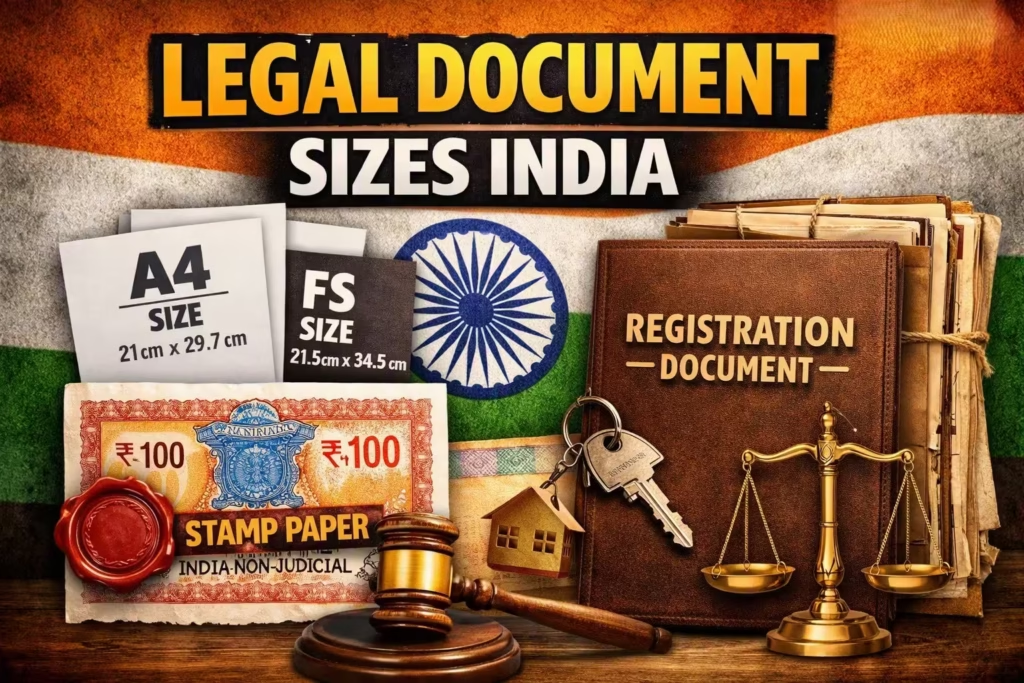
Legal document images are photographs, scans, or digital copies of documents used to record information for official or legal purposes. These images may show the document’s layout, headings, signatures, seals, tables, or other visible details.
What Categories of Legal Paperwork Are Commonly Shown in Images?
Different legal documents serve different purposes. Common examples include:
1. Property Documents
Images of sale deeds, property tax receipts, encumbrance certificates, and other property-related records can help people identify the types of paperwork involved in property transactions.
2. Rental Agreements
These documents record the agreed terms between a property owner and a tenant, including rent, deposit, duration, and other conditions.
3. Affidavits
An affidavit is a written statement confirmed through the applicable oath or affirmation procedure. Images may show its contents, declaration, and attestation details.
4. Court Documents
These may include petitions, notices, orders, and other records associated with legal proceedings.
5. Business Agreements
Images of contracts and agreements can help readers recognise documents that record the responsibilities and terms accepted by the parties involved.
6. Government Certificates and Records
Certain official certificates and records may be presented as printed documents or digital copies, depending on the issuing authority.
Why Are Legal Document Images Useful?
Legal document images can make it easier to understand the appearance and structure of different types of paperwork.
Document Identification
Visual examples can help people distinguish between different document categories.
Learning and Education
Students and beginners can use sample images to understand document layouts.
Digital Record Keeping
Scanned copies can support organised electronic storage when handled securely.
Property Research
Visual references can introduce buyers and sellers to the types of records they may encounter during property transactions.
You can find legal document images through official government websites, court portals, legal education resources, and reputable document-reference websites. When searching online, use specific terms such as “sample rental agreement India,” “property sale deed format,” or “affidavit sample document.”
Choose sources that clearly explain the document’s purpose and jurisdiction. For actual legal requirements, rely on the relevant government authority or a qualified legal professional rather than an image found through a general online search.
What Should You Check Before Using a Legal Document Image?
Before relying on an image, consider the following points:
Source
Check whether the image comes from a reliable website or official authority.
Readability
Ensure that the text, dates, and headings are visible.
Relevance
Confirm that the document relates to your purpose and the applicable location.
Privacy
Avoid sharing images containing personal addresses, identification numbers, signatures, financial details, or other confidential information.
Accuracy
Do not assume that a sample image contains the latest legal requirements. A sample image should be used for reference only unless its suitability for the intended purpose has been confirmed
Can a Legal Document Image Be Used as an Official Document?
Whether an image or scanned copy is accepted depends on the document type, the receiving authority, and the applicable rules. Some processes accept digital copies, while others require an original document, a certified copy, a digitally signed record, or another prescribed format.
For important transactions, verify the requirements with the relevant authority before submitting a document.
What Is the Difference Between a Legal Document Image and an Original Document?
A legal document image is a visual copy of a document, created through photography or scanning. An original document is the document issued, signed, or executed in the required manner.
An image may be useful for viewing or record keeping, but it may not replace the original or an officially certified copy when one is required.
Frequently Asked Questions
What does the term legal document images mean?
It refers to photographs, scans, or digital representations of documents used for legal, official, personal, or business purposes.
Where can I find sample legal document images in India?
You can search official government portals, court websites, and reliable legal information platforms for relevant examples.
Are online legal document images legally valid?
Not automatically. Acceptance depends on the document, its authenticity, the applicable rules, and the requirements of the receiving authority.
Can I use legal document images for educational purposes?
Yes. Sample images can help learners understand document structure and identify different categories of legal paperwork.
How can I protect sensitive information in legal document images?
Store files securely, restrict access, and hide confidential information before sharing an image when disclosure is unnecessary.
Conclusion
Legal document images help people recognise, study, and organise different types of official paperwork. However, visual appearance alone cannot confirm the authenticity or legal validity of a document. Always check the source, protect confidential information, and seek professional guidance when dealing with important legal matters.