Click on the Edit Content button to edit/add the content.
Real Estate Full Course – What Can Beginners Learn Before Joining?
Introduction
Are you interested in the property industry but unsure how to start a career in this field? Learning the basics through a Real Estate Full Course can help you understand how property businesses work. A training programme can introduce you to common industry activities and explain the duties handled by people working in this sector.
Real estate offers different areas of work, including property promotion, customer communication, sales support, and record organisation. Exploring these areas through a Real Estate Full Course can help newcomers identify the type of work they would like to pursue.
A complete real estate training programme gives learners an overview of propertyrelated activities. Depending on the syllabus, students may learn about advertising properties, managing customer enquiries, supporting buyers and sellers, and assisting with the steps involved in a transaction.
Some institutes include practical tasks alongside lessons. These activities can help students understand how the concepts they study may be used in everyday business situations.
Which Key Areas Are Included in Real Estate Training?
1. Different Types of Properties
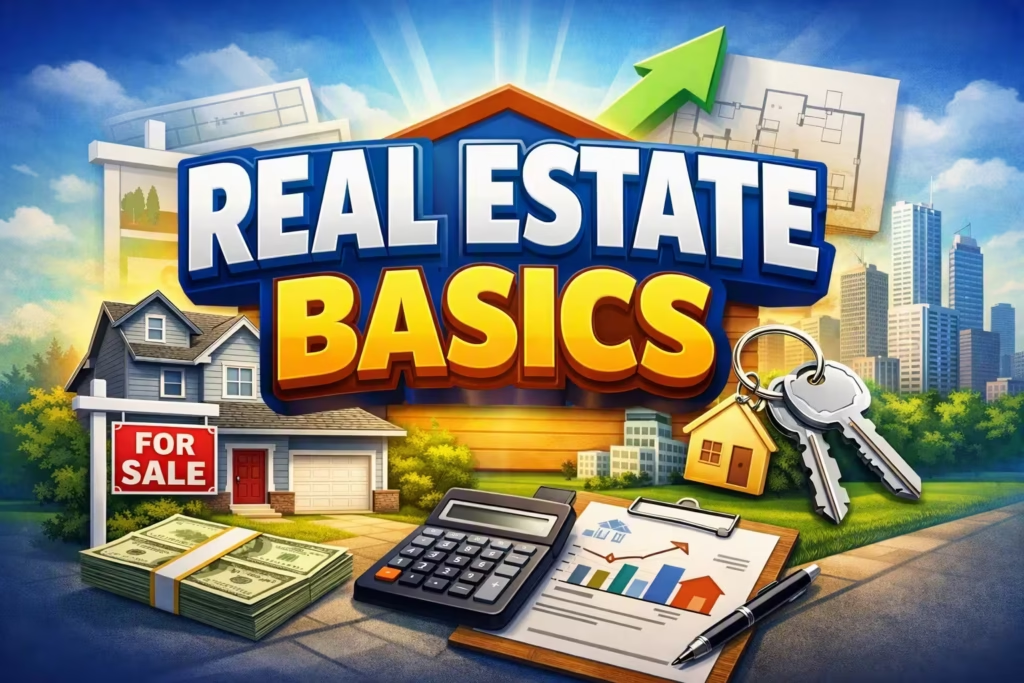
Real estate includes various property options, such as residential homes, apartments, commercial buildings, retail shops, and vacant land. Understanding these categories helps beginners identify the different needs of people who want to buy, sell, or rent properties.
2. Generating Property Leads
Finding interested customers is an important part of property-related work. Learners may explore ways to attract enquiries through digital promotions, referrals, networking, and online property portals.
3. Marketing Properties Locally
Property promotion can involve reaching people within a particular area. Common activities include sharing advertisements, updating property listings, building local connections, and organising visits for interested customers.
4. Customer Communication
People searching for property may want details about cost, neighbourhood, facilities, and other features. Good communication involves understanding their needs, answering questions clearly, and helping them consider appropriate choices.
5. Property Sales Procedures
A property sale generally includes multiple activities. These may begin with an enquiry and continue through requirement discussions, property demonstrations, visits, offer discussions, and further coordination between the parties.
6. Negotiation and Follow-Up
Property discussions may involve different opinions about price, payment, or other terms. Negotiation helps the parties discuss their expectations, while timely follow-up keeps conversations active when a decision has not yet been made.
7. Basic Knowledge of Property Documents
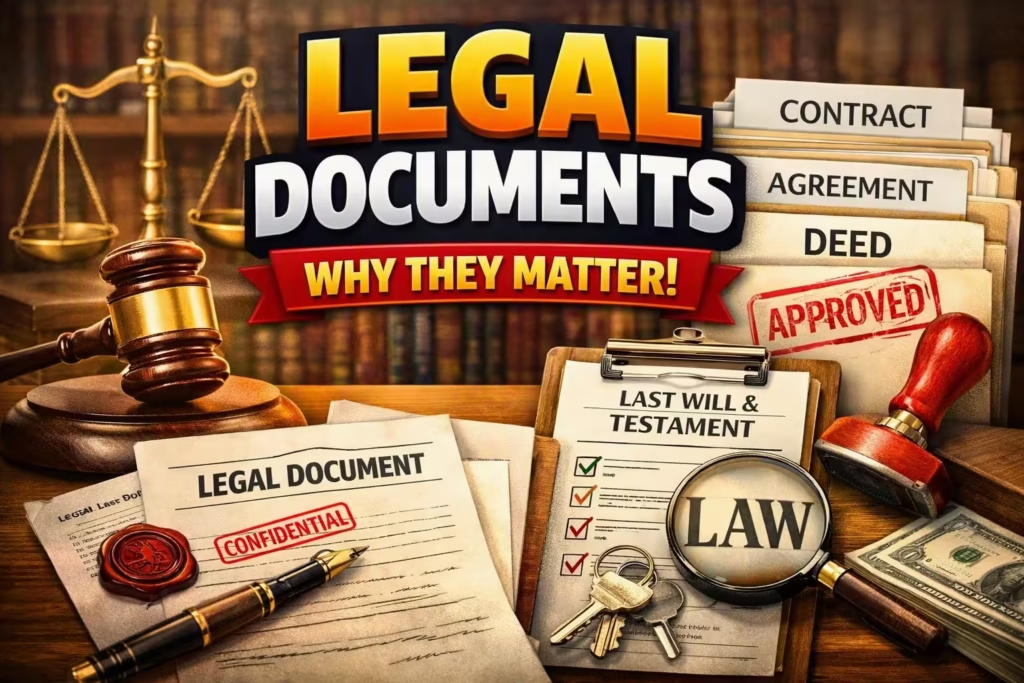
Property-related work may require familiarity with agreements, ownership records, approvals, and other paperwork. A course may introduce common document types and explain why careful verification matters. For legal decisions, learners should consult qualified professionals and the appropriate authorities.
Real estate training may suit students, recent graduates, job seekers, and people interested in property-related business activities. Individuals working in sales or marketing may also find the subject useful for expanding their industry knowledge.
Business owners who want to explore property opportunities can use introductory training to understand common industry practices. Admission rules vary, so applicants should review the requirements set by each institute.
Which Career Options Are Available After Real Estate Training?
The knowledge gained from a course may support applications for roles such as:
Property Sales Executive
Assists with property promotion, customer enquiries, and sales coordination.
Customer Relationship Executive
Maintains communication with clients and keeps track of their needs and questions.
Real Estate Marketing Assistant
Supports advertisements, online property promotions, and listing updates.
Business Development Executive
Identifies possible customers and helps develop business connections.
Property Office Assistant
Helps organise files, maintain records, and manage routine administrative duties.
Available positions depend on an individual’s education, experience, communication abilities, and local job requirements. Completing a course does not automatically secure a job.
What Should You Consider When Selecting Real Estate Training?
Begin by exploring different property types, common real estate terms, client preferences, and the process of property transactions. You should also compare the trainer’s background, course charges, class schedule, study resources, and certificate information.
If placement assistance is important to you, ask what support the institute actually provides. Review different institutes before making a decision. Be careful about selecting a programme based only on attractive advertisements or income promises.
How Long Does Real Estate Training Take?
The duration depends on the course structure, the number of lessons, and the practical sessions included. Basic programmes may introduce only essential concepts, while more detailed courses may cover marketing, customer handling, sales, and administration.
Read the syllabus and timetable before registering so that you know what the programme includes and how much time you will need to complete it.
Frequently Asked Questions
What are the first topics to study in real estate?
Begin by exploring different property types, common real estate terms, client preferences, and the process of property transactions.
Can a beginner join a property training programme?
Yes, some training courses are designed for beginners who want to start a career in the real estate industry, even without prior experience.
Does real estate training teach marketing skills?
Depending on the syllabus, learners may study property advertising, lead generation, customer communication, and promotional methods.
What details should I compare before enrolling?
Review the course subjects, total cost, duration, class timings, practical sessions, certificate information, and any career assistance.
Will a real estate qualification ensure that you get a job?
No. Employment depends on factors such as practical knowledge, communication skills, experience, job availability, and employer expectations.
Conclusion
Real estate training can introduce learners to the activities and responsibilities found in property businesses. Studying subjects such as lead generation, marketing, customer relations, sales methods, and document awareness may help beginners understand the industry more clearly.
Choose a programme that matches your goals and gives you opportunities to practise. Combining what you learn in class with practical experience can help you prepare for suitable roles in the property sector.